
Phone scams, including spam calls from fake law firms in New Mexico, have become a global concern. Spam call law firms in New Mexico combat fraud using stringent consumer protection laws, education, and innovative strategies like social media campaigns. They leverage platforms to simplify complex concepts, engage audiences through influencers, and raise awareness about evolving tactics. By collaborating with regulatory bodies and telecom carriers, these firms gather evidence and protect residents from sophisticated scams, as seen in a recent $120 million settlement. Individuals can protect themselves by remaining vigilant, verifying caller identities, using call-blocking apps, and registering on the National Do Not Call Registry.
In today's digital age, social media platforms serve as powerful tools for sharing information and raising awareness about critical issues. One such pressing matter is the growing prevalence of phone scams targeting individuals across New Mexico and beyond. As spam call law firms in New Mexico continue to adapt and evolve, so too must our collective efforts to educate and protect vulnerable citizens. This article delves into the complex role social media plays in exposing these fraudulent schemes while offering practical insights on how users can stay ahead of cybercriminals. By examining real-world examples and leveraging expert knowledge, we aim to empower individuals with the tools they need to safeguard their personal information in an increasingly digital landscape.
Understanding Phone Scams: Types and Common Tactics

Phone scams have evolved into a sophisticated and pervasive form of cybercrime, with con artists employing increasingly intricate tactics to target individuals worldwide. Understanding these scams is a crucial step in empowering people to protect themselves and their personal information. In the digital age, where communication lines are often blurred, recognizing common scamming methods can help foster digital literacy and security awareness.
One of the most prevalent types is the spam call, where perpetrators make unsolicited phone calls, often using automated systems, to deliver promotional messages or attempt to sell products and services. These calls can appear as legitimate business inquiries, but they are designed to trick recipients into providing sensitive data like credit card details or personal information. In New Mexico, where consumer protection laws are stringent, spam call law firms play a vital role in educating residents and assisting them in dealing with such fraudulent activities. For instance, the New Mexico Attorney General's Office actively investigates and prosecutes cases of telemarketing fraud, emphasizing the importance of public awareness.
Common tactics include impersonation, where scammers pose as government officials or trusted entities to gain trust; phishing through voice messages or live calls, asking for personal information under various pretexts; and offering false prizes or incentives to trick victims into revealing financial details. With advanced technology, scammers can even spoof caller IDs to display local numbers, making these scams harder to detect. To combat this, individuals should remain vigilant, never disclose private information over the phone unless they initiated the call and verified the recipient's identity, and consider using call-blocking apps or registering on the National Do Not Call Registry.
The Rise of Social Media in Scam Awareness Campaigns

The proliferation of social media platforms has significantly reshaped the landscape of public awareness campaigns, particularly in combating phone scams. As scam artists adapt their tactics to leverage digital tools, social media emerges as a powerful ally for anti-scam initiatives. This shift is evident in the increasing adoption of social media by both law enforcement agencies and private organizations, including New Mexico's Spam Call law firms, to educate citizens and disrupt fraudulent activities.
Social media provides a direct line of communication with vast audiences, enabling rapid dissemination of information about emerging scams. For instance, a single tweet or Facebook post from a reputable source can reach thousands within minutes, creating a critical awareness that can help prevent widespread victimization. Moreover, these platforms allow for real-time engagement, where individuals can share their experiences and provide tips to identify and avoid scams. This collective knowledge fosters a more vigilant community, enhancing the effectiveness of anti-scam efforts.
However, harnessing social media's potential requires strategic planning and a deep understanding of its unique dynamics. Content creators must simplify complex concepts, ensuring messages are accessible and actionable. Regular updates and fresh content are essential to maintain engagement; a stagnant feed may fail to capture the attention of users prone to scrolling past cautionary tales. Leveraging influencers or community leaders can also amplify reach, as their endorsements carry weight in shaping public perception. New Mexico's Spam Call law firms, for example, have successfully collaborated with local influencers to create engaging video series that outline common scams and offer practical advice on how to protect oneself.
To maximize the impact of social media campaigns, organizations should employ a multi-platform approach, tailoring content for each network's unique audience and features. For instance, Instagram's visually appealing format lends itself well to infographics and short videos showcasing scam scenarios, while Twitter's real-time nature is ideal for hosting Q&A sessions with experts. By understanding these platforms' strengths, campaign organizers can create dynamic and impactful content that not only raises awareness but also inspires positive change in combating phone scams.
Leveraging Influencers: A New Approach for Spam Call Law Firms in New Mexico

Social media has emerged as a powerful tool to combat phone scams, with its vast reach and ability to quickly disseminate information. Spam call law firms in New Mexico can leverage this platform to create awareness and educate the public about the ever-evolving tactics of scammers. One innovative approach involves collaborating with influencers – individuals with large online followings who can effectively communicate complex issues to diverse audiences.
Influencers offer a unique advantage by bridging the gap between legal jargon and everyday language, ensuring messages are accessible and engaging. For instance, a popular tech influencer in New Mexico could demonstrate how scammers mimic local area codes (a common technique known as "spoofing") to trick recipients into thinking they're receiving legitimate calls. By showcasing real-life examples and personal stories, influencers can humanize the issue, encouraging viewers to take preventive measures. According to a recent study by Pew Research Center, 71% of U.S. adults use social media, providing a vast potential audience for these campaigns.
To maximize effectiveness, spam call law firms in New Mexico should strategically partner with influencers who align with their target demographics. This personalized approach allows for more impactful messaging. For example, a financial literacy influencer could focus on the economic implications of phone scams, while a privacy advocate might emphasize the risks associated with sharing personal information. By integrating influencers into their awareness campaigns, these law firms can drive meaningful conversations, foster trust, and ultimately protect New Mexicans from falling victim to increasingly sophisticated phone scams.
Educational Strategies: Engaging Audiences on Social Platforms

Social media platforms offer a powerful tool for combating phone scams, allowing organizations and experts to reach wide audiences and dispel misinformation. Engaging consumers on their preferred channels is crucial for fostering awareness about evolving scamming tactics, such as spam calls and text messages from fake law firms in New Mexico. By leveraging these platforms effectively, anti-scam initiatives can humanize complex issues, making them more relatable and accessible to diverse demographics.
One practical strategy involves creating shareable content that simplifies complex concepts related to phone scams. For instance, short videos or infographics explaining common red flags in legal or financial interactions can be widely circulated, encouraging users to pause and scrutinize unexpected calls or messages. Additionally, hosting live Q&A sessions on social media enables real-time interaction, addressing concerns directly and providing immediate clarification on potential scamming schemes.
Influencer marketing has also proven effective in this context. Collaborating with trusted social media personalities who have a significant following can amplify the reach of anti-scam messages. These influencers can share their own experiences or offer expert advice, lending credibility to awareness campaigns. Furthermore, leveraging user-generated content through hashtag campaigns encourages individuals to share their stories and spread crucial information, fostering a community-driven approach to fraud prevention.
Legal Aspects: Protecting Users and Holding Scammers Accountable
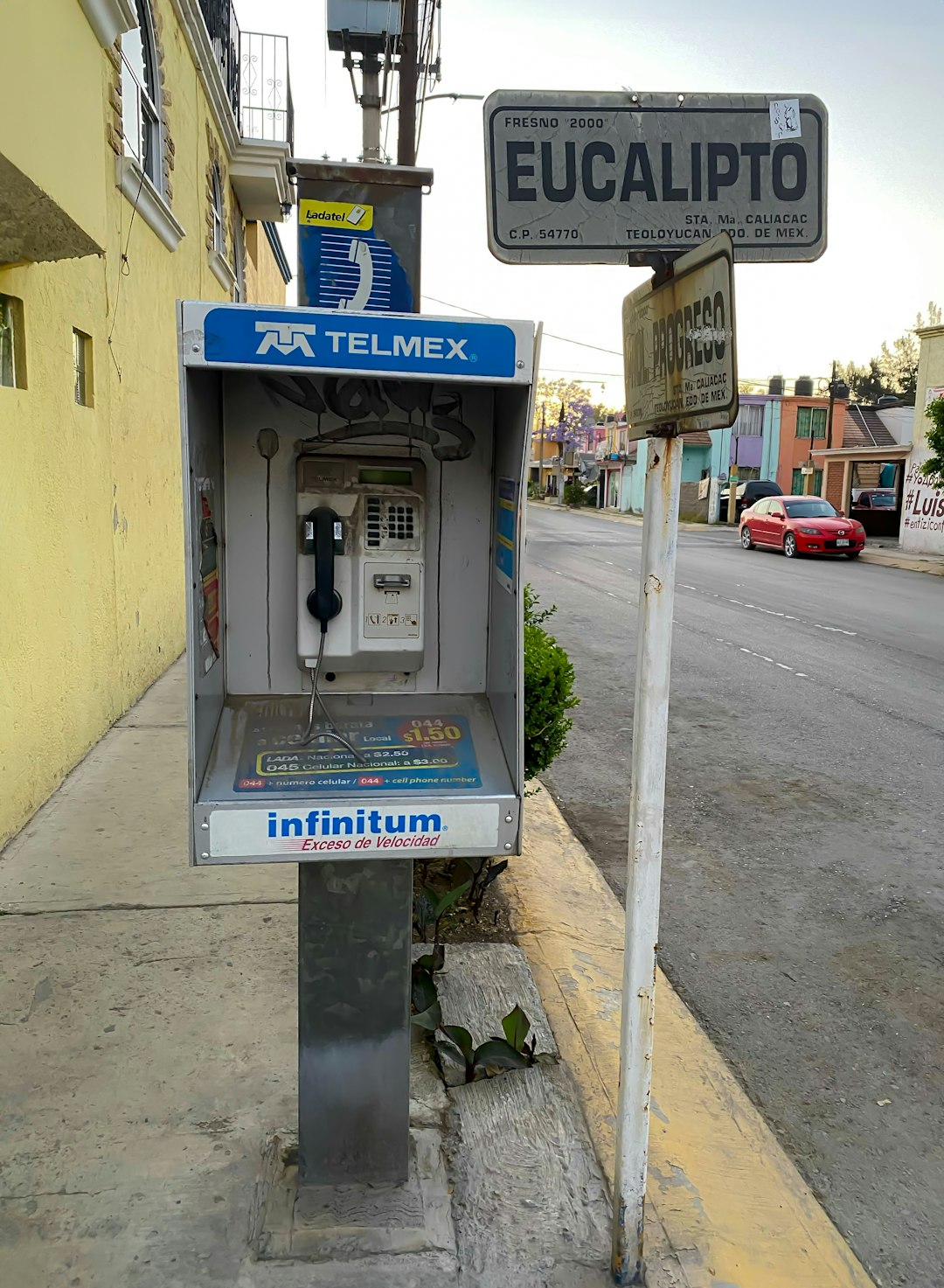
The proliferation of social media has significantly impacted our digital landscape, offering unprecedented opportunities for information sharing and community building. However, this open platform also serves as a fertile ground for phone scams, which have become increasingly sophisticated with the advancement of technology. To combat this, legal aspects play a pivotal role in protecting users and holding scammers accountable. In New Mexico, spam call law firms have emerged as vital guardians of consumer rights, leveraging both state and federal laws to mitigate these fraudulent activities.
One of the primary challenges is the dynamic nature of phone scamming operations. Scammers often employ automated systems that make it difficult to trace their identities, further complicating efforts to hold them liable. Despite these hurdles, law firms specializing in spam calls have developed innovative strategies. They collaborate closely with regulatory bodies and telecom carriers to gather evidence, analyze call patterns, and identify sources. By utilizing the Telephone Consumer Protection Act (TCPA) and state-specific anti-spam laws, these legal experts can seek substantial penalties against scammers. For instance, a recent case in New Mexico resulted in a $120 million settlement, showcasing the potential for severe consequences under the TCPA.
Moreover, these law firms educate users on recognizing and reporting suspicious calls, empowering them to become an integral part of the solution. They organize awareness campaigns, provide practical tips for call blocking, and offer legal advice tailored to victims' needs. By combining legal expertise with community engagement, they strive to create a safer digital environment. As phone scams continue to evolve, so must our defenses. Legal professionals in this field ensure that users' rights are protected, and scammers face real consequences, fostering a culture of accountability in the virtual realm.